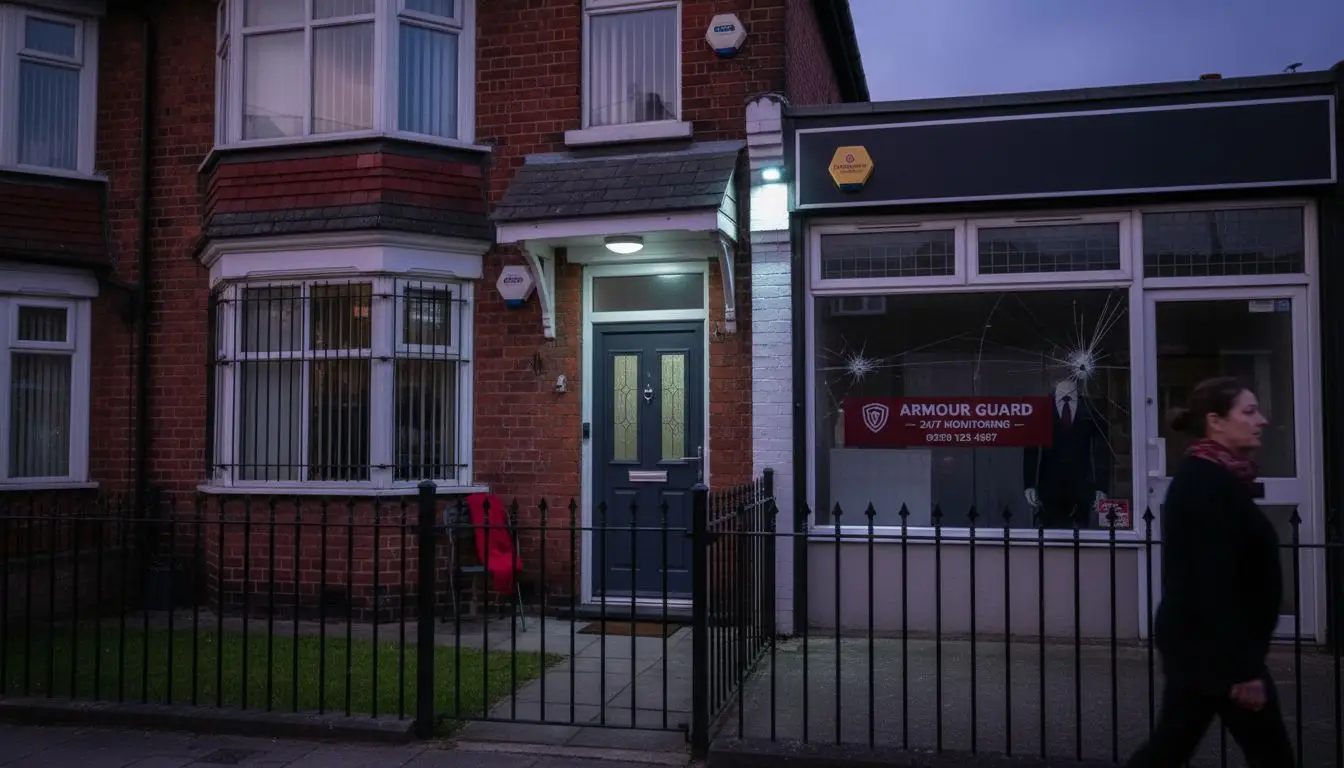
Every british property owner faces a tough reality. Nearly one in three homes in the UK will experience attempted burglary or property damage within their lifetime. Protecting your investment goes beyond simple locks or alarms. It takes a thoughtful approach that examines real risks and uses proven security steps. This guide reveals practical measures rooted in top british security standards and expert advice, helping you make informed choices to keep your property safe.
Quick Summary
| Key Point | Explanation |
|---|---|
| 1. Conduct a thorough risk assessment. | Walk your property’s perimeter to identify vulnerabilities and categorise risks into low, moderate, and high levels. |
| 2. Install high-security locks and barriers. | Replace weak points with strong locks and reinforced doors to create a robust first line of defence against intruders. |
| 3. Integrate CCTV and alarm systems. | Position cameras effectively and connect them with alarms to create a security network that deters potential threats. |
| 4. Implement controlled access solutions. | Use high-security locks and electronic systems to restrict entry and monitor who accesses your property. |
| 5. Regularly test security systems. | Simulate real-world scenarios to evaluate the effectiveness of all security components and improve response times to threats. |
Step 1: Conduct a Property Risk Assessment
A property risk assessment is your strategic blueprint for understanding potential security vulnerabilities before they become real threats. According to the Alan Boswell Group, comprehensive risk analysis involves examining regional and national trends in criminal activities like burglary and property damage.
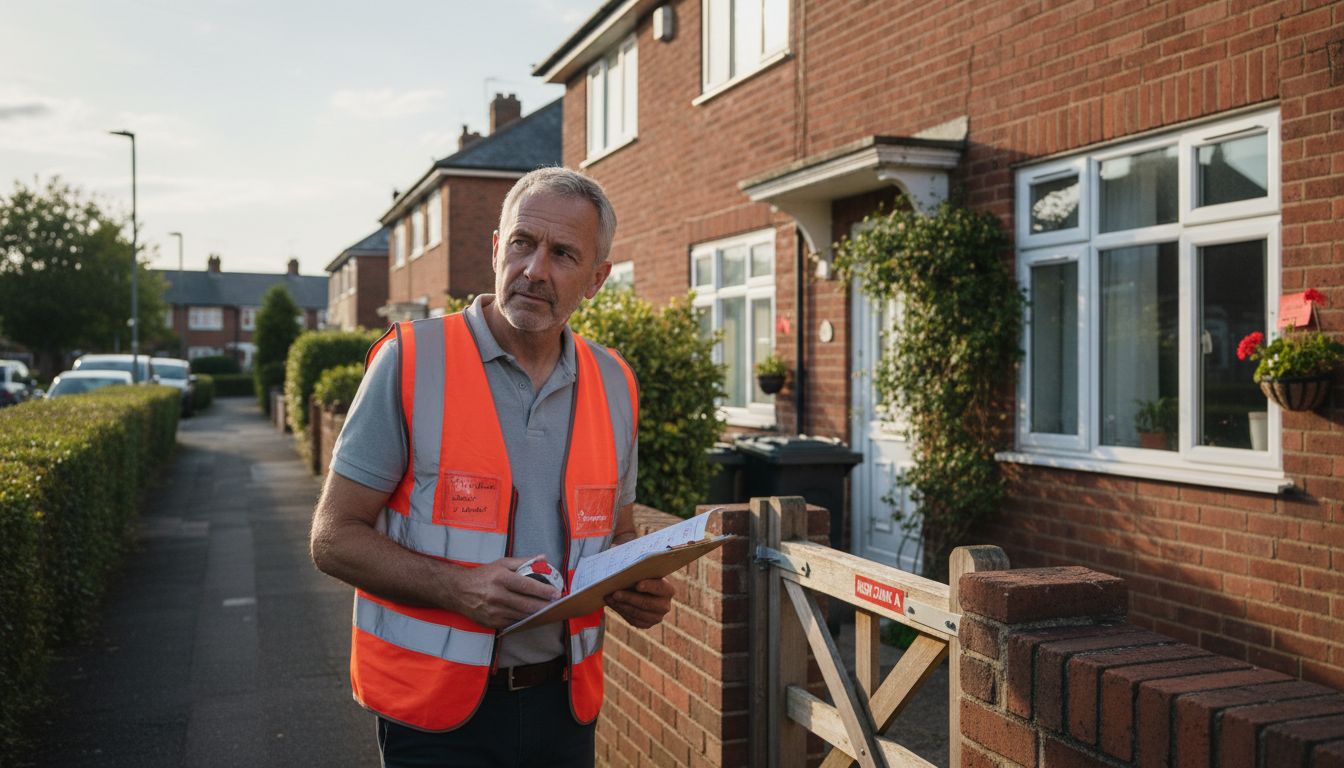
To conduct a thorough risk assessment, start by walking your property’s perimeter and documenting potential weak points. Look for accessible windows, unsecured entry points, inadequate lighting, and areas with limited visibility. Pay special attention to potential hiding spots near doors and ground floor windows. As recommended by ProtectUK, integrate your visual inspection with existing security systems to create a holistic protection strategy.
Your assessment should categorise risks into three primary levels: low risk (minimal vulnerability), moderate risk (requires attention), and high risk (immediate action needed). Include details like entry point accessibility, current security measures, and neighbourhood crime statistics. Pro tip: consider consulting local law enforcement or a professional security consultant for an unbiased external perspective on your property’s unique risk profile.
After completing your initial assessment, you’ll be well positioned to develop a targeted security enhancement plan that addresses your property’s specific vulnerabilities.
Step 2: Install Robust Physical Barriers and Locks
Installing robust physical barriers and locks forms the critical first line of defence against potential intruders. According to West Yorkshire Police, strategic reinforcement of entry points can significantly reduce your property’s vulnerability to break-ins.
Start by evaluating your existing doors and windows. Prioritise replacing weak door frames with steel reinforced versions and install high security locks that meet professional standards. RSA Insurance recommends using locks with recognized kitemark certifications to ensure maximum protection. Consider adding anti-thrust bolts to prevent forced entry and external security grilles on ground floor windows and vulnerable access points.
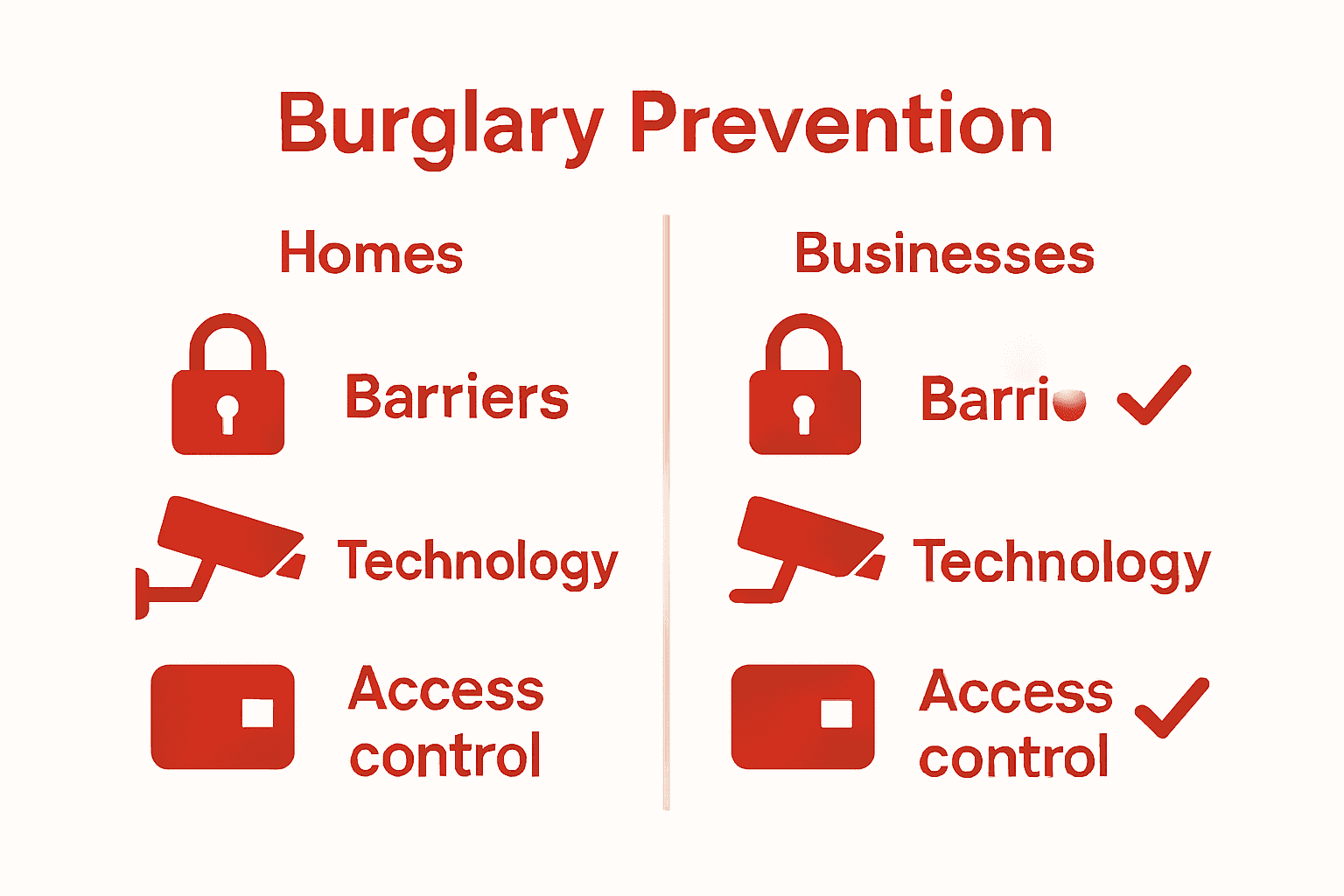
For businesses and homes with multiple entry points, develop a comprehensive locking strategy. This means using different lock types for various areas advanced deadbolts for main entrances, padlocks for side gates, and window locks for potential secondary access routes. Pro tip: Always maintain a consistent security approach across all potential entry points to eliminate weak spots. Your ultimate goal is creating multiple physical barriers that make unauthorized entry increasingly challenging and time consuming.
Once your physical barriers are in place, you will be ready to integrate additional security layers like alarm systems and surveillance.
Step 3: Integrate CCTV and Alarm Systems
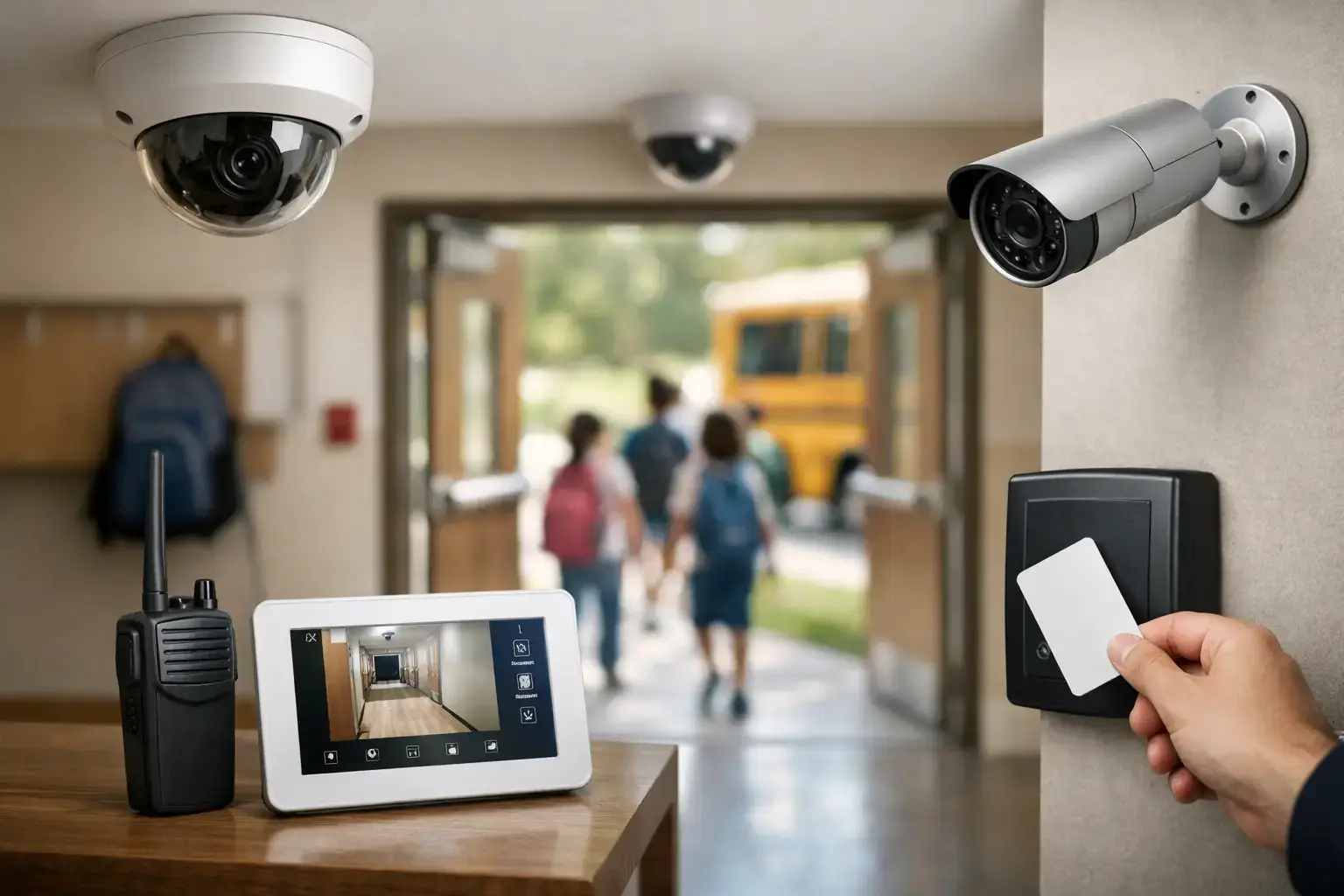
Integrating CCTV and alarm systems transforms your property’s security from reactive to proactively protective. ProtectUK emphasizes the critical importance of coordinating intruder alarms, surveillance cameras, and strategic lighting to create a comprehensive security network that deters potential criminals.
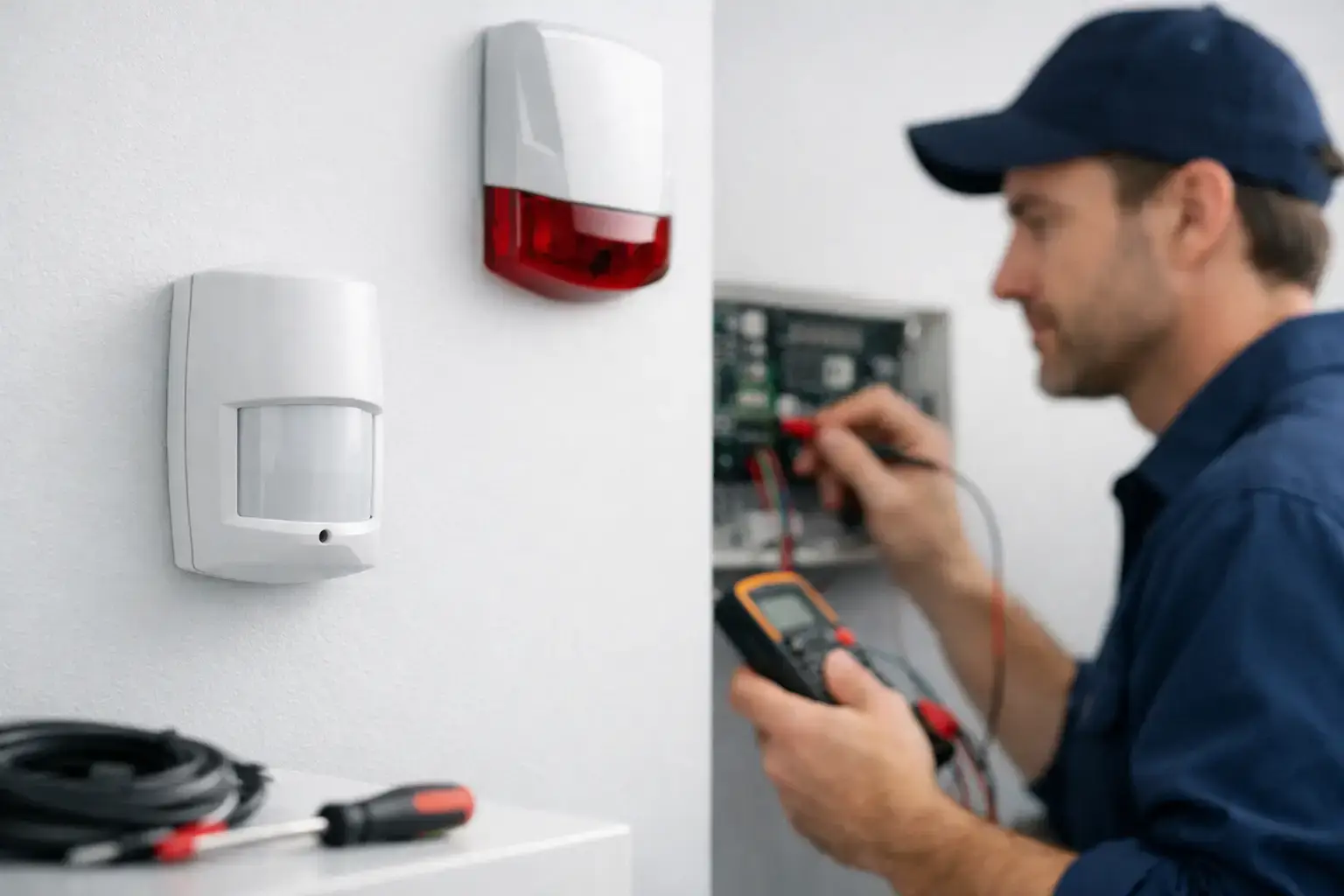
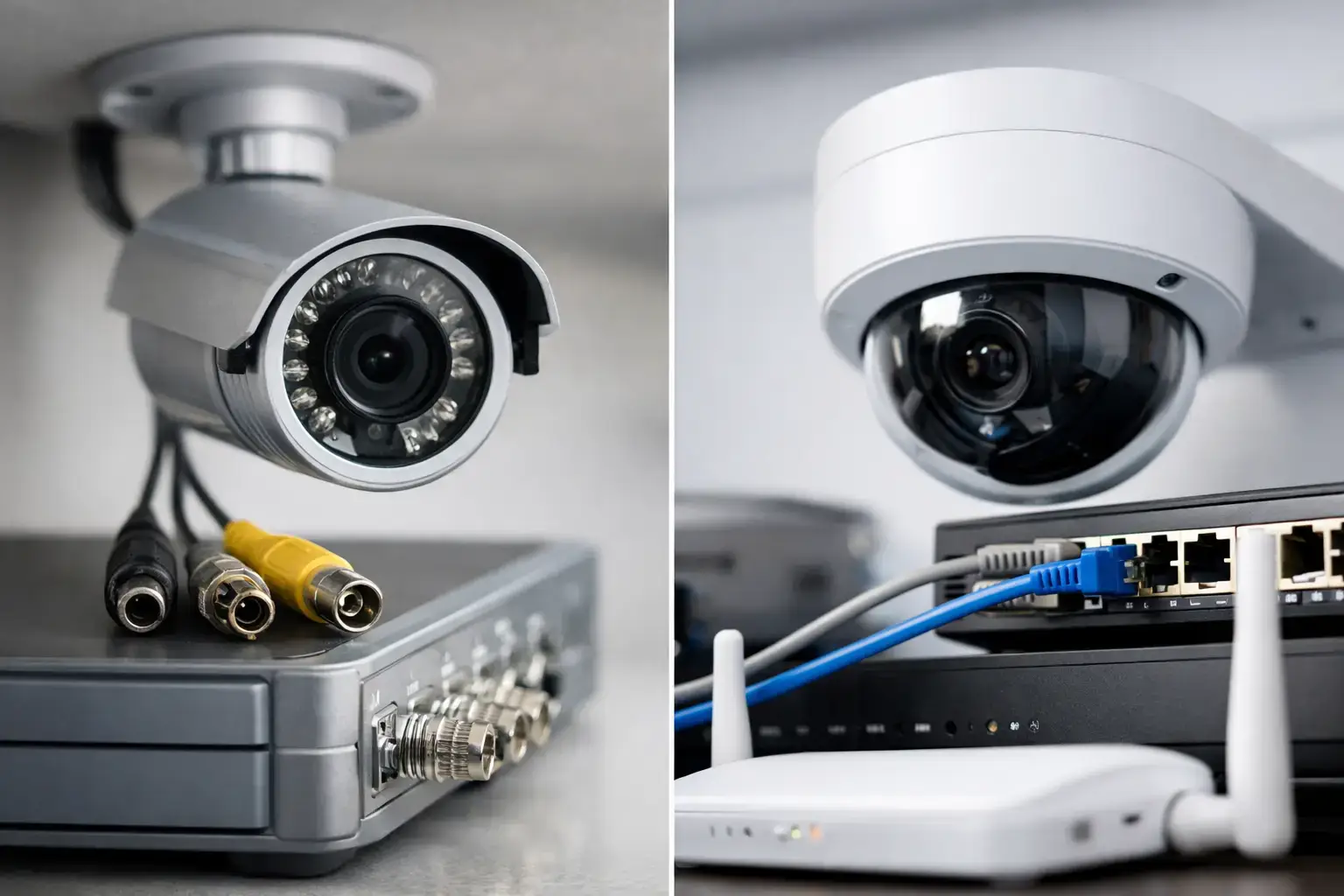
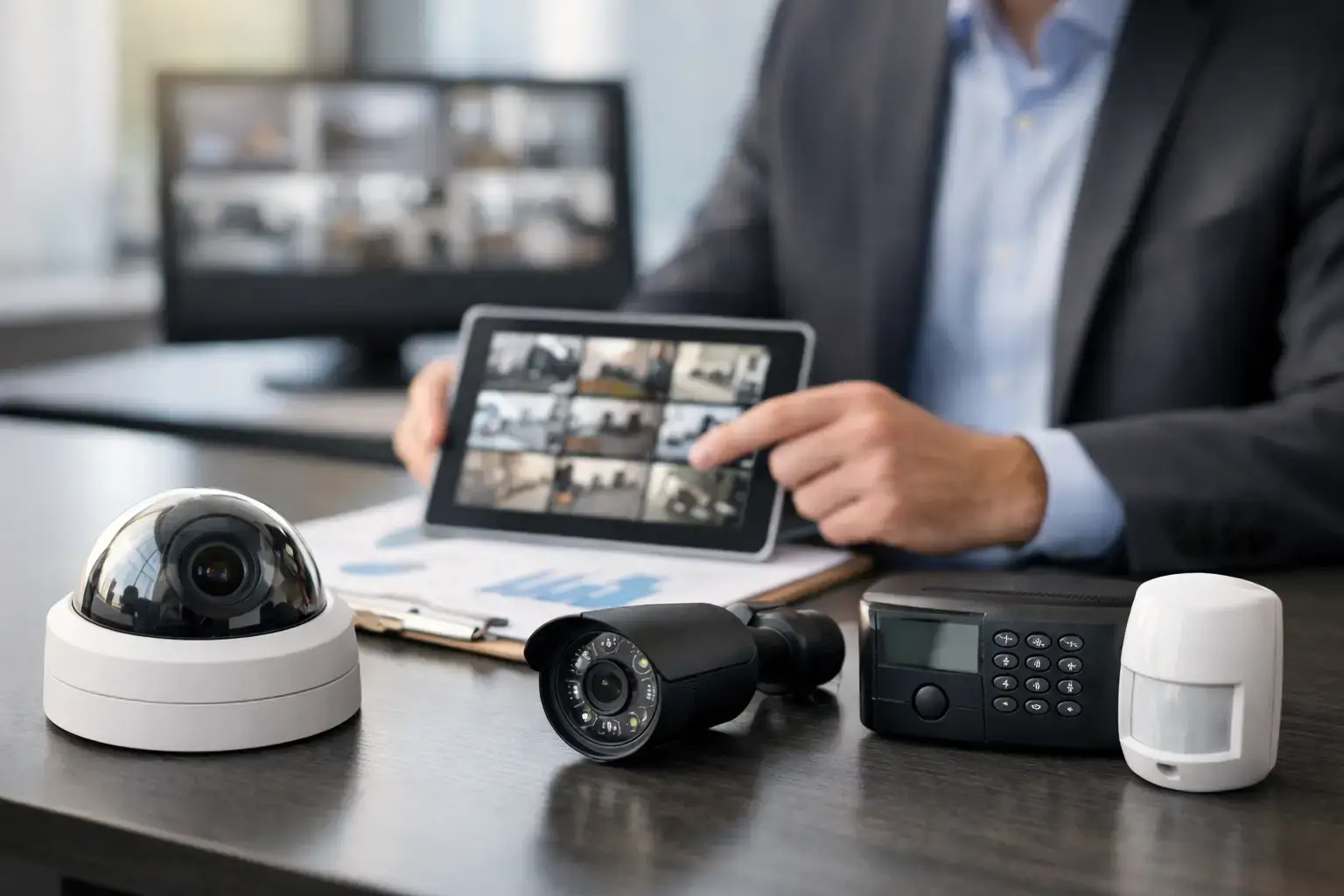
Begin by mapping out your property’s most vulnerable zones. RSA Insurance recommends focusing on high risk areas such as entry points, blind spots, and potential concealment zones. Ensure your CCTV cameras provide clear, overlapping coverage and are positioned to capture detailed images of anyone approaching your property. Connect these cameras directly to your alarm system so that any triggered motion or unauthorized entry immediately activates both visual recording and loud alarm alerts.
A strategic integration means more than just installing equipment. Configure your systems to communicate seamlessly using modern networked technologies that allow remote monitoring and instant notifications. Pro tip: Choose systems with mobile app connectivity so you can receive real time alerts and view live footage from anywhere. Your goal is creating an intelligent security ecosystem that not only records potential threats but actively discourages them from occurring in the first place.
With your integrated security systems in place, you are now ready to establish ongoing monitoring and maintenance protocols.
Step 4: Implement Controlled Access Solutions
Controlled access solutions are your strategic defence against unauthorized entry and potential security breaches. West Yorkshire Police emphasize the importance of reinforcing potential entry points with robust physical barriers designed to deter and prevent intrusion.
Start by implementing a comprehensive access control strategy that combines multiple layers of security. RSA Insurance recommends installing high security locks that meet recognized kitemark standards. Consider electronic key card systems for businesses, biometric scanners for high security areas, and smart locks that provide detailed access logs. These systems should create a clear hierarchy of access ensuring only authorized personnel can enter specific zones within your property.
When designing your controlled access solution, think beyond just locks and cards. Integrate your access control with surveillance systems to create a comprehensive security ecosystem. Pro tip: Choose systems that allow real time monitoring and can generate instant alerts for any unauthorized access attempts. Your goal is creating a dynamic security environment that not only restricts entry but actively tracks and responds to potential security threats.
With your controlled access solutions in place, you are now prepared to develop ongoing security management protocols.
Step 5: Verify Security Effectiveness through Testing
Testing your security systems is not just a recommendation but a critical step in ensuring comprehensive protection. ProtectUK emphasizes the importance of coordinating and thoroughly evaluating all security components to guarantee optimal performance and crime deterrence.
Begin with a systematic approach to security testing that simulates real world scenarios. RSA Insurance recommends conducting comprehensive assessments that include testing surveillance camera coverage, alarm response times, and access control system reliability. This means deliberately creating controlled scenarios that challenge your security infrastructure identifying potential weak points before actual threats emerge. Focus on testing response mechanisms such as alarm triggers, camera tracking capabilities, and the speed of notification systems during simulated intrusion attempts.
When conducting security tests, maintain detailed documentation of every trial and observation. Pro tip: Create a structured testing protocol that includes multiple scenarios ranging from simple access attempts to more complex simulated breach scenarios. Your goal is not just identifying vulnerabilities but developing a responsive security ecosystem that can adapt and react swiftly to potential threats.
With your security effectiveness verified through comprehensive testing, you are now prepared to establish ongoing monitoring and maintenance strategies.
Enhance Your Property Security with Expert Solutions
Understanding the critical importance of preventing burglary is the first step towards peace of mind for your home or business. This article outlines essential methods like conducting property risk assessments, installing robust barriers, and integrating CCTV and alarm systems to protect your premises effectively. If you are concerned about unseen vulnerabilities and the need for a strong, coordinated security plan, our specialist services can help transform your property’s safety.

Take control of your security today with professional CCTV installation and tailored burglar alarm systems designed for UK businesses and homes. Our expert team will work with you to implement robust access control and surveillance solutions that meet recognised standards and deter threats before they arise. Start strengthening your protection now by visiting our homepage or explore our comprehensive security system installations to ensure your property is safe, monitored, and secure. Don’t wait for a threat to become a reality act now to safeguard your property with trusted security technology.
Frequently Asked Questions
What steps should I take to conduct a property risk assessment?
Conduct a property risk assessment by walking the perimeter of your property and identifying weak points such as unsecured entrances and poor lighting. Document your findings and categorise risks as low, moderate, or high to guide your security enhancements.
How can I install robust physical barriers to prevent burglary?
To install robust physical barriers, start by replacing weak door frames with reinforced options and adding high-security locks that meet industry standards. Ensure all entry points are fortified, considering additional measures like anti-thrust bolts and security grilles for vulnerable windows.
What should I include when integrating CCTV and alarm systems?
When integrating CCTV and alarm systems, focus on high-risk areas by ensuring overlapping camera coverage for thorough surveillance. Connect alarms to your CCTV system so that any triggered alert prompts immediate recording and notifications.
How can I implement controlled access solutions effectively?
Implement controlled access solutions by using high-security locks and access control systems, such as electronic key cards or biometric scanners, to limit entry to authorised personnel only. Create a hierarchy of access based on the sensitivity of different areas within your property.
How often should I test my security systems for effectiveness?
Regularly test your security systems at least once every six months to evaluate their performance against potential intrusion scenarios. Create detailed documentation of each test to help identify vulnerabilities and improve your overall security response capabilities.
What maintenance practices should I follow for ongoing security management?
For ongoing security management, establish regular maintenance checks for all physical barriers, locks, and electronic systems to ensure they function properly. Review your risk assessment annually to adapt to any changes in your property’s security needs.