More than four out of ten British homes now rely on electronic security systems, yet confusion still surrounds how burglar alarms actually work and protect your property. With so many options and common misconceptions, it is easy to see why some people doubt their effectiveness or stress about false alarms. Understanding the latest technology, legal requirements, and maintenance tips will help you make smart choices that keep your home or business safer.
Key Takeaways
| Point | Details |
|---|---|
| Understanding Burglar Alarms | Burglar alarms are designed to alert property owners to potential intrusions, using sensors to detect unauthorized entries. They do not prevent access but enhance security awareness. |
| Types of Alarm Systems | Property owners can choose from monitored, unmonitored, and auto-dialler systems, each with distinct features tailored to different security needs. |
| Importance of Maintenance | Regular maintenance and user training are crucial to prevent false alarms and ensure the burglar alarm operates effectively. |
| Legal Compliance | Adhering to UK legal requirements and obtaining systems from certified providers is essential for reliable security and insurance compliance. |
Defining Burglar Alarms and Common Misconceptions
A burglar alarm represents a critical security technology designed to detect and alert property owners about potential unauthorized intrusions. According to UCL Discovery, these systems operate on a fundamental principle of increasing the perceived risk of apprehension for potential intruders. Unlike physical barriers such as locks or grilles, burglar alarms do not prevent entry but instead provide immediate notification of a potential security breach.
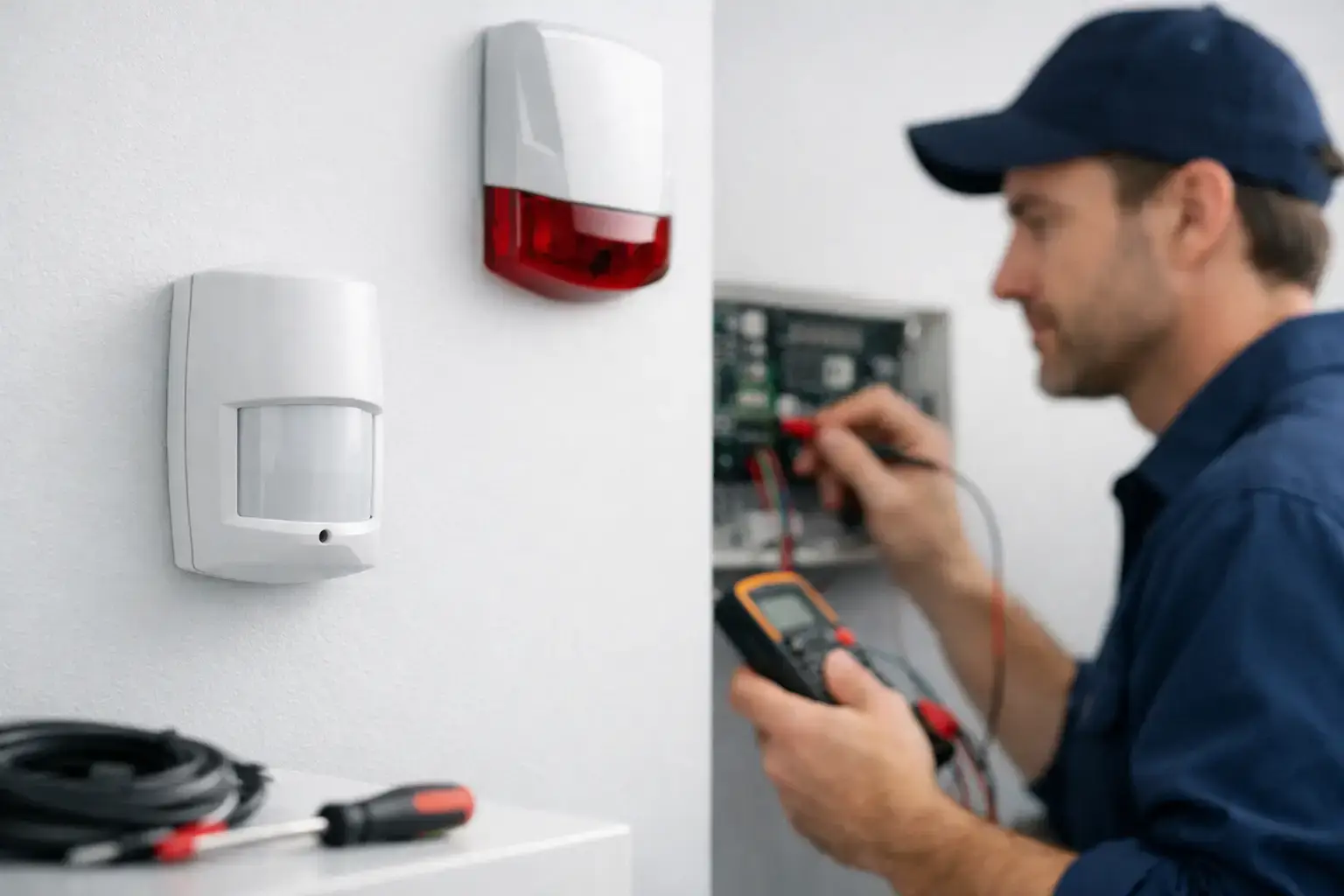
Modern burglar alarm systems are sophisticated electronic security devices that utilise various sensors and detection mechanisms to monitor protected spaces. These systems can include multiple components such as motion detectors, window and door sensors, glass break detectors, and central control panels. When an unexpected movement or entry is detected, the alarm triggers a loud siren, sends notifications to property owners, and in many cases, automatically alerts local security services or law enforcement.
However, there are several common misconceptions about burglar alarms that property owners should understand. Wikipedia highlights a critical issue: false alarms can significantly undermine the effectiveness of these security systems. False alarms may occur due to multiple factors including:
- User error during system arming or disarming
- Equipment malfunction or sensor sensitivity
- Environmental triggers like pets, moving curtains, or air conditioning
- Improper installation or maintenance
These false alarms can lead to several problematic outcomes, such as unnecessary panic, wasted emergency response resources, and potential “alarm fatigue” where occupants might start ignoring genuine security alerts. Understanding these potential issues is crucial for property owners to maintain an effective and reliable burglar alarm system that genuinely enhances their security infrastructure.
To maximise the effectiveness of a burglar alarm, property owners should invest in high-quality systems from reputable manufacturers like Hikvision AX Pro, ensure professional installation, conduct regular maintenance, and train all users on proper system operation. A comprehensive guide to types of burglar alarms can provide deeper insights into selecting the most appropriate security solution for specific property needs.
Types of Burglar Alarms for Homes and Businesses
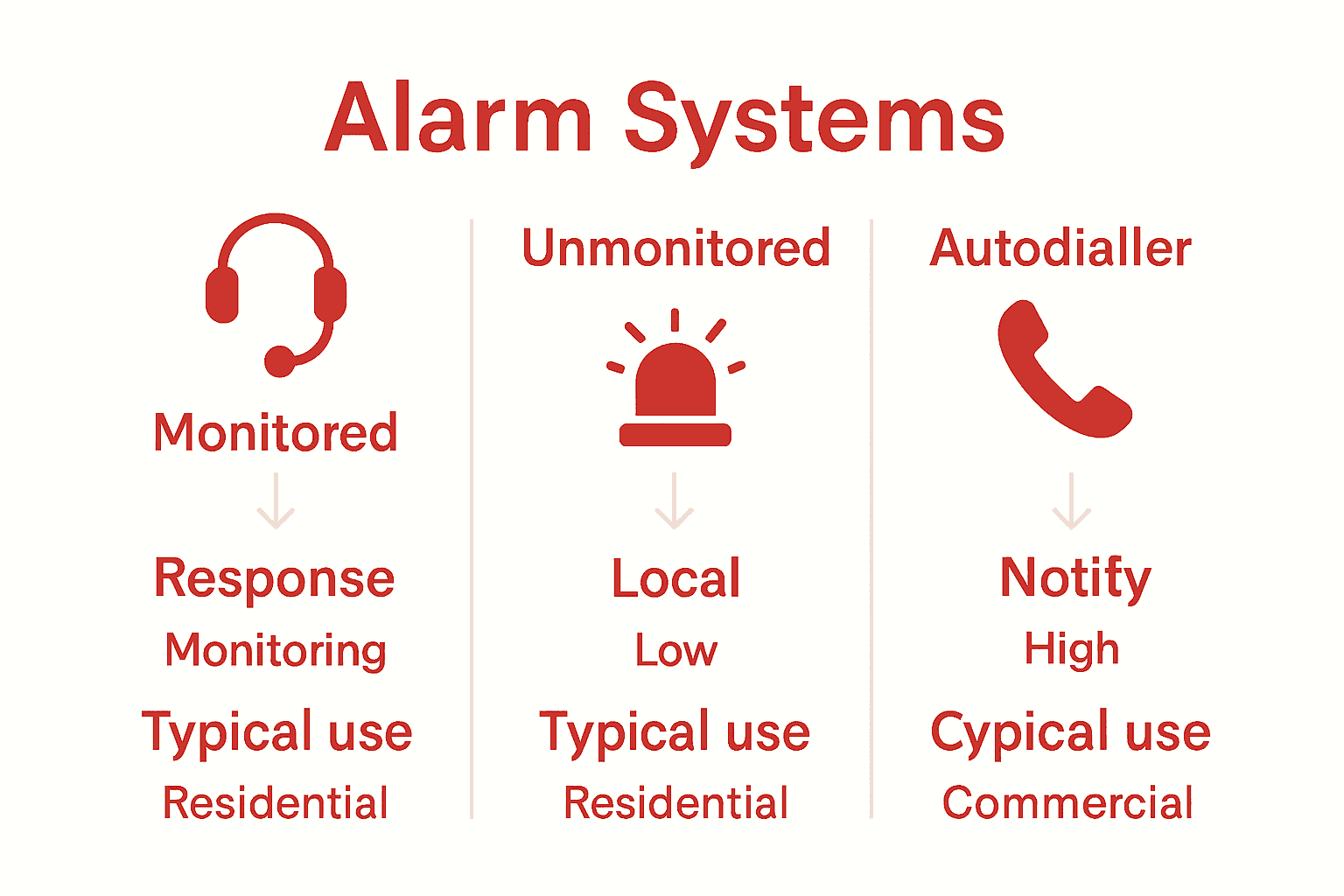
Burglar alarm systems have evolved significantly, offering diverse solutions for different property protection needs. Crime Prevention highlights three primary categories of burglar alarms that property owners can choose from: monitored, unmonitored, and auto-dialler systems. Each type provides unique features and benefits tailored to specific security requirements.
Monitored Alarm Systems represent the most comprehensive security solution. These sophisticated systems connect directly to professional monitoring centers staffed by trained security personnel. When an alarm is triggered, operators immediately assess the situation and contact local law enforcement or designated emergency contacts. This constant supervision ensures rapid response and provides property owners with peace of mind, especially for businesses or high-value residential properties with significant security risks.
Unmonitored Alarm Systems, alternatively, rely on creating immediate local awareness. These systems emit extremely loud sirens when unauthorized entry is detected, designed to startle intruders and alert nearby residents or neighbours. While less expensive than monitored systems, they depend entirely on someone responding to the audio alert. Key characteristics include:
- Loud warning sounds reaching 110-120 decibels
- Typically more affordable installation
- No ongoing monthly monitoring fees
- Effective deterrent in populated areas
Auto-Dialler Alarm Systems offer a middle ground between monitored and unmonitored solutions. These intelligent systems automatically contact pre-programmed phone numbers—such as property owners, keyholders, or security services—when an intrusion is detected. For smaller businesses and residential properties seeking a cost-effective yet responsive security solution, auto-diallers provide an excellent compromise.
When selecting a burglar alarm system, property owners should carefully evaluate their specific security needs, budget constraints, and local environment. Factors like property location, crime rates, and potential vulnerability will significantly influence the most appropriate alarm type. Professional security consultants can provide tailored advice to help choose the most effective system for individual requirements.
How Burglar Alarm Systems Work
Burglar alarm systems are sophisticated electronic security networks designed to detect and respond to potential unauthorized intrusions. These systems operate through a complex interplay of sensors, control panels, and communication technologies that work seamlessly to protect properties from potential security breaches.
At the core of a burglar alarm system are strategically placed detection sensors. These sensors are typically installed on doors, windows, and critical entry points, using various technologies such as magnetic contacts, infrared motion detectors, glass break sensors, and vibration-sensitive devices. When an unexpected movement or entry is detected, these sensors instantly send signals to the central control panel, triggering the alarm mechanism.
DIY Doctor highlights the modern advancement of GSM technology in alarm systems, which allows for remarkable remote capabilities. These systems now operate using SIM card technology similar to mobile phones, enabling property owners to:
- Receive instant mobile alerts during security events
- Control and monitor systems remotely via smartphone apps
- Get real-time notifications about potential security breaches
- Manage system settings from anywhere in the world
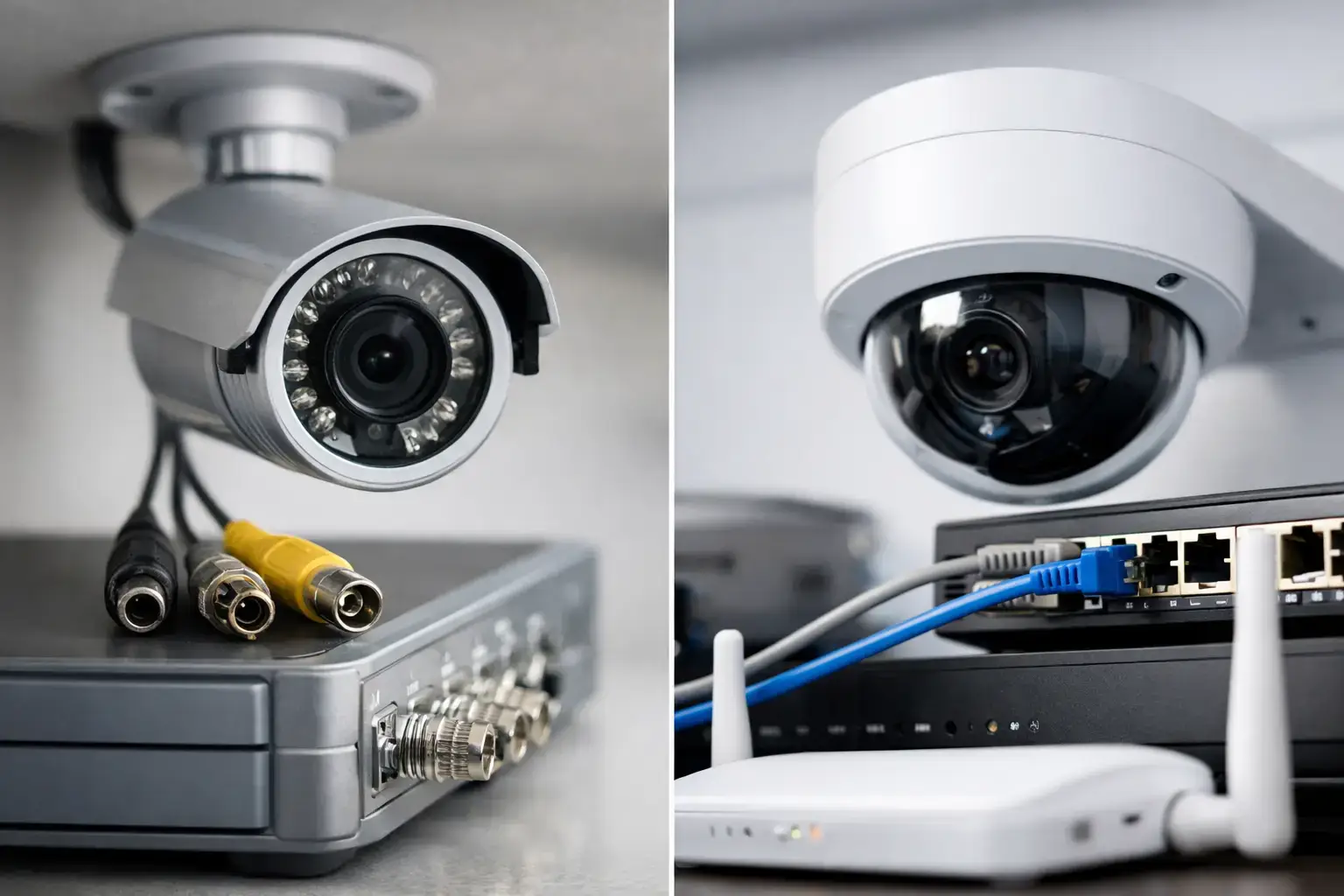
The alarm response mechanism typically involves multiple layers of protection. Upon sensor activation, the system can simultaneously execute several actions: emit a loud siren to deter intruders, send automated notifications to property owners, contact pre-programmed emergency contacts, and in monitored systems, alert professional security monitoring centers. Wireless vs wired technologies play a crucial role in determining the system’s flexibility, reliability, and installation complexity, with each approach offering distinct advantages for different property types and security requirements.
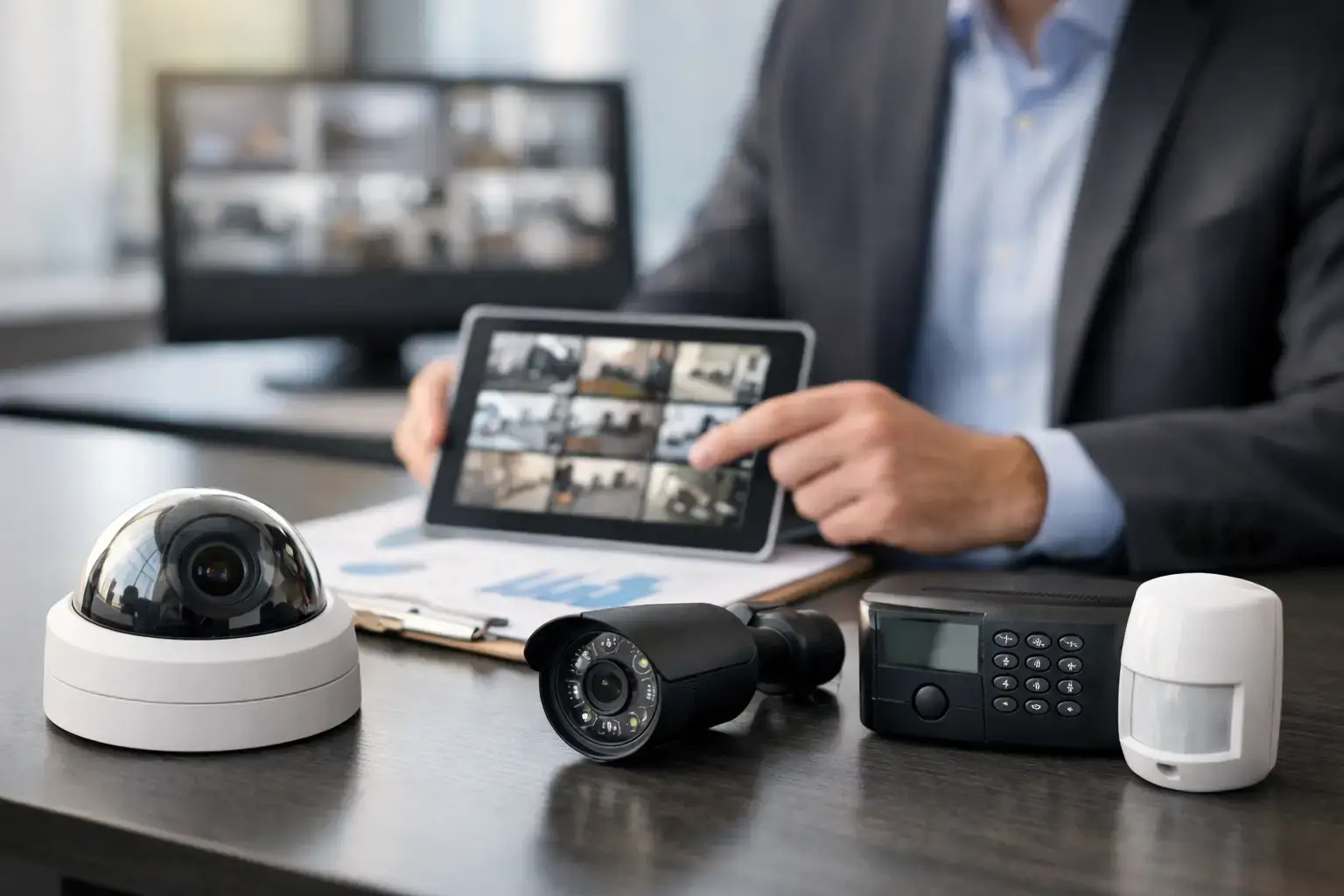
Modern burglar alarm systems have evolved from simple noise-making devices to intelligent, interconnected security solutions. Advanced models now integrate smart home technologies, allowing seamless connection with other security devices like CCTV cameras, smart locks, and environmental sensors. This comprehensive approach ensures not just intrusion detection, but a holistic security ecosystem that provides property owners with unprecedented peace of mind and protection.

Legal Requirements and British Standards
Burglar alarm systems in the United Kingdom are subject to strict legal requirements and industry standards designed to ensure the highest levels of security and reliability. Crime Prevention emphasizes the critical role of industry accreditation, highlighting that reputable alarm companies must be certified by key bodies such as the National Security Inspectorate (NSI) and the Security Systems and Alarms Inspection Board (SSAIB).
These accreditation bodies establish comprehensive guidelines that cover every aspect of burglar alarm installation and maintenance. The standards encompass multiple critical areas, including:
- Technical specifications for alarm equipment
- Installation procedures and best practices
- Ongoing maintenance and system verification
- Qualification requirements for security professionals
- Performance standards for different alarm system types
Checkatrade recommends that property owners prioritize professional installation from certified providers to ensure compliance with legal requirements. This approach guarantees that the security system meets stringent British Standards, providing optimal protection and legal conformity.
Understanding these legal requirements is crucial for businesses and homeowners. Non-compliance can result in potential legal vulnerabilities, insurance complications, and reduced effectiveness of the security system. Property owners should always verify an installer’s credentials, requesting evidence of NSI or SSAIB certification, and understanding SSAIB compliance becomes a critical step in selecting a reliable security solution.
Moreover, the legal landscape for security systems continues to evolve. Recent regulations increasingly emphasize data protection, signal reliability, and professional standards. This means that beyond basic installation, security systems must now demonstrate sophisticated capabilities in threat detection, false alarm prevention, and comprehensive reporting mechanisms. Property owners who stay informed about these changing standards will be best positioned to implement truly effective security strategies.
Costs, Maintenance, and Common Pitfalls
Burglar alarm systems represent a significant investment in property security, with costs varying significantly based on technology and property requirements. Checkatrade provides comprehensive pricing insights, noting that bell-only wired systems start from £500, wireless systems from £525, and smart alarm systems from £650, including both supply and professional installation.
Cost considerations extend beyond initial installation. Property owners must budget for ongoing maintenance and potential system upgrades. Property Road emphasizes that annual servicing, typically costing between £50-£90, is crucial for ensuring system reliability and preventing unexpected failures. Key maintenance considerations include:
- Annual professional system inspections
- Battery replacements for wireless components
- Software and firmware updates
- Sensor calibration and testing
- Comprehensive system performance evaluations
Common pitfalls in burglar alarm selection and maintenance can significantly compromise security effectiveness. Property owners frequently make critical mistakes such as:
- Choosing systems without property-specific assessments
- Neglecting regular maintenance
- Failing to update outdated technology
- Ignoring false alarm root causes
- Not training all household or business members on system operation
To mitigate these risks, property owners should invest time in understanding their specific security needs, consult professional security system maintenance experts, and commit to regular system evaluations. A proactive approach ensures that your burglar alarm remains a reliable, effective security solution, providing peace of mind and robust protection against potential intrusions.
Secure Your Home or Business with Trusted Burglar Alarm Solutions
Understanding how burglar alarms work and the importance of selecting the right system highlights a critical challenge faced by many property owners — ensuring reliable protection while avoiding false alarms and costly mistakes. Whether you need a monitored, unmonitored, or auto-dialler system, investing in professional installation and maintenance is essential for peace of mind and real security.

Don’t leave your security to chance. At 247cctv, we specialise in installing bespoke burglar alarms alongside CCTV and access control to protect both homes and businesses across the UK. Act now to benefit from expert advice on the best systems tailored to your property needs, backed by professional support to reduce false alarms and ensure compliance with British Standards. Secure your premises today with professional burglar alarm installation from trusted experts.
Frequently Asked Questions
What is a burglar alarm and how does it work?
A burglar alarm is a security system designed to detect unauthorized entries into a property. It works through a network of sensors placed on doors, windows, and other entry points, which trigger an alarm when unexpected movement or entry is detected.
What are the different types of burglar alarm systems?
The main types of burglar alarm systems include monitored, unmonitored, and auto-dialler systems. Monitored systems connect to professional monitoring centres, unmonitored systems create local alerts with loud sirens, and auto-dialler systems automatically contact pre-programmed phone numbers when an alarm is triggered.
How can I reduce false alarms with my burglar alarm?
To reduce false alarms, ensure proper installation and regular maintenance of your system, train all users on correct operation, and consider sensor sensitivity settings. Identifying and addressing environmental triggers like pets or moving objects also helps prevent false alarms.
What legal requirements should I be aware of for burglar alarm installation?
Burglar alarm systems must comply with strict legal requirements and standards in the industry. Ensure that your system is installed by certified professionals with accreditation from organisations like the National Security Inspectorate (NSI) or the Security Systems and Alarms Inspection Board (SSAIB).