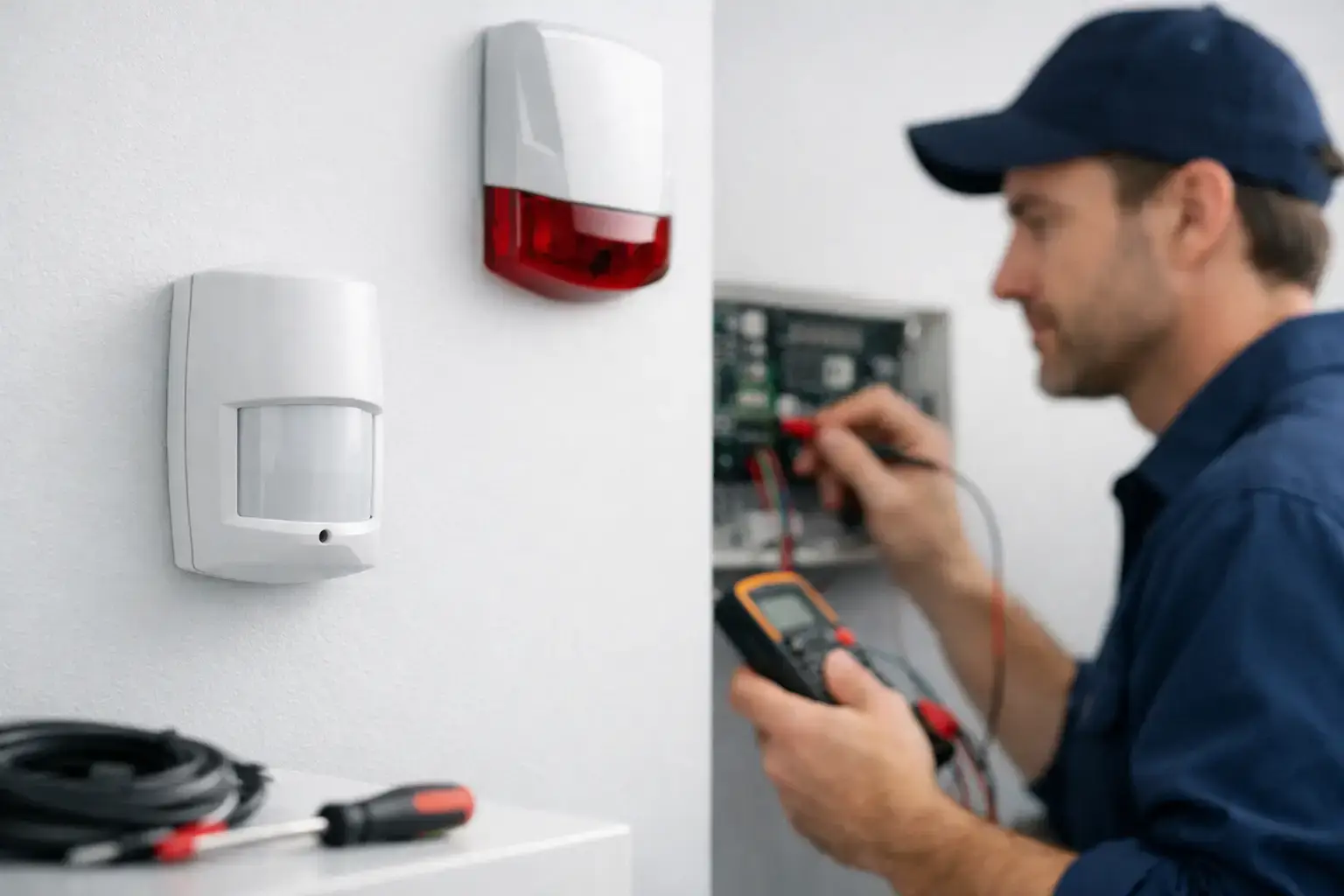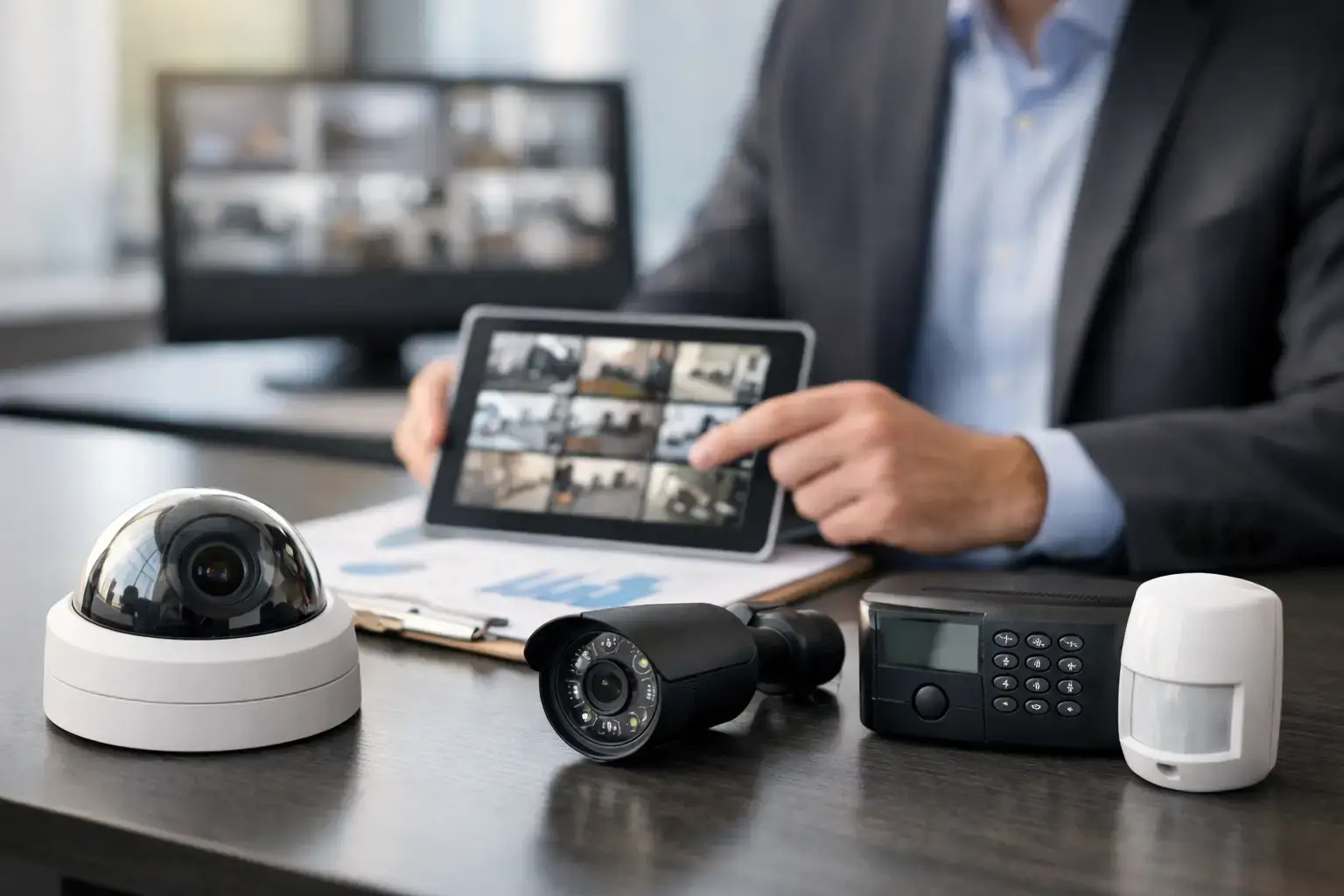
Every british business faces unique challenges when it comes to protecting people, property, and sensitive data. With over 5.2 million CCTV cameras currently operating across the United Kingdom, surveillance technology has become a vital part of modern security strategies. Understanding how these systems work, what legal responsibilities they carry, and the benefits they offer can help organisations avoid costly mistakes and create safer working environments.
Key Takeaways
| Point | Details |
|---|---|
| CCTV Purpose | CCTV is vital for continuous surveillance, acting as a deterrent and evidence collection tool for businesses. |
| Types of Systems | Various CCTV systems, including IP and cloud-based options, provide tailored solutions for different security needs. |
| Legal Compliance | Adhering to the UK’s legal frameworks on data protection and privacy is essential when implementing CCTV systems. |
| Common Pitfalls | Businesses must avoid mistakes such as inadequate camera placement and neglecting data protection to ensure effective surveillance. |
Defining CCTV and Its Core Functions
Closed-circuit television (CCTV) represents a sophisticated security technology designed to provide continuous visual monitoring of specific areas. According to Wikipedia, CCTV involves transmitting video camera signals to specific monitors, distinguishing itself from broadcast television through its limited transmission capabilities. This targeted surveillance approach enables businesses and organisations to maintain comprehensive security oversight.
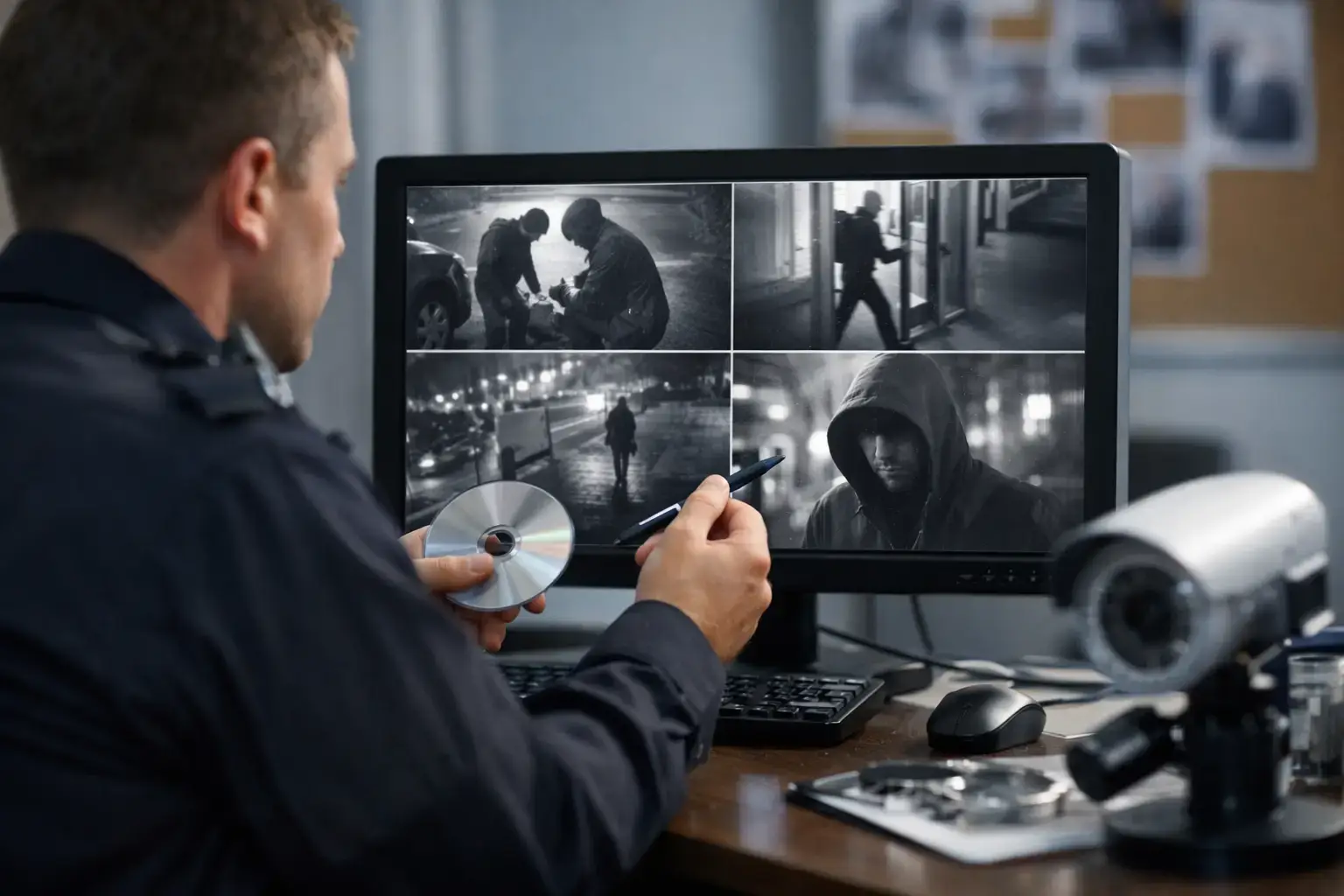
Video Surveillance functions as a critical protective mechanism for modern enterprises. The core purpose of CCTV extends beyond mere recording – it serves as an active deterrent, monitoring tool, and potential evidence collection system. Businesses can strategically place cameras to monitor critical areas such as entry points, warehouse spaces, retail floors, and sensitive operational zones.
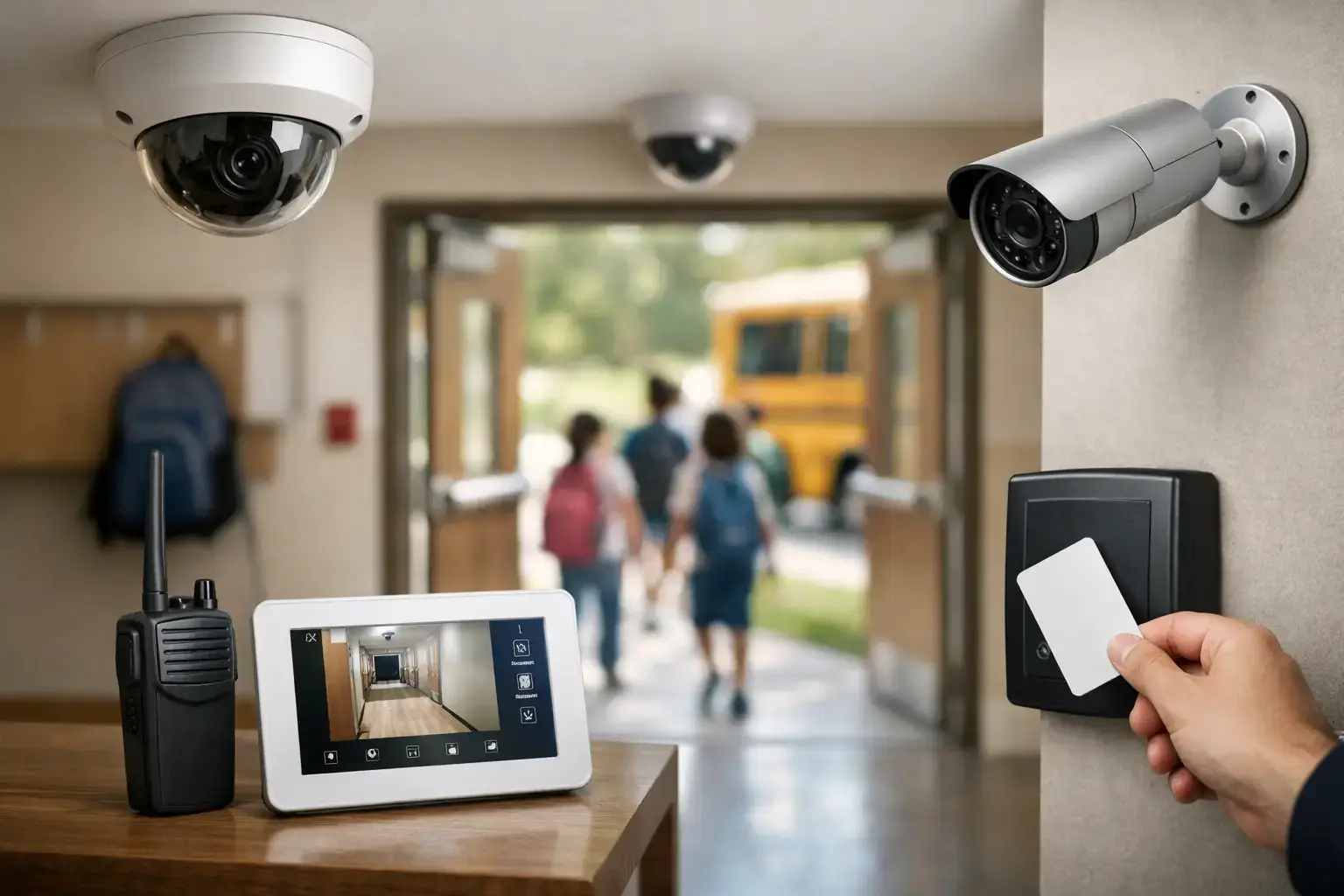
The fundamental components of a CCTV system typically include:

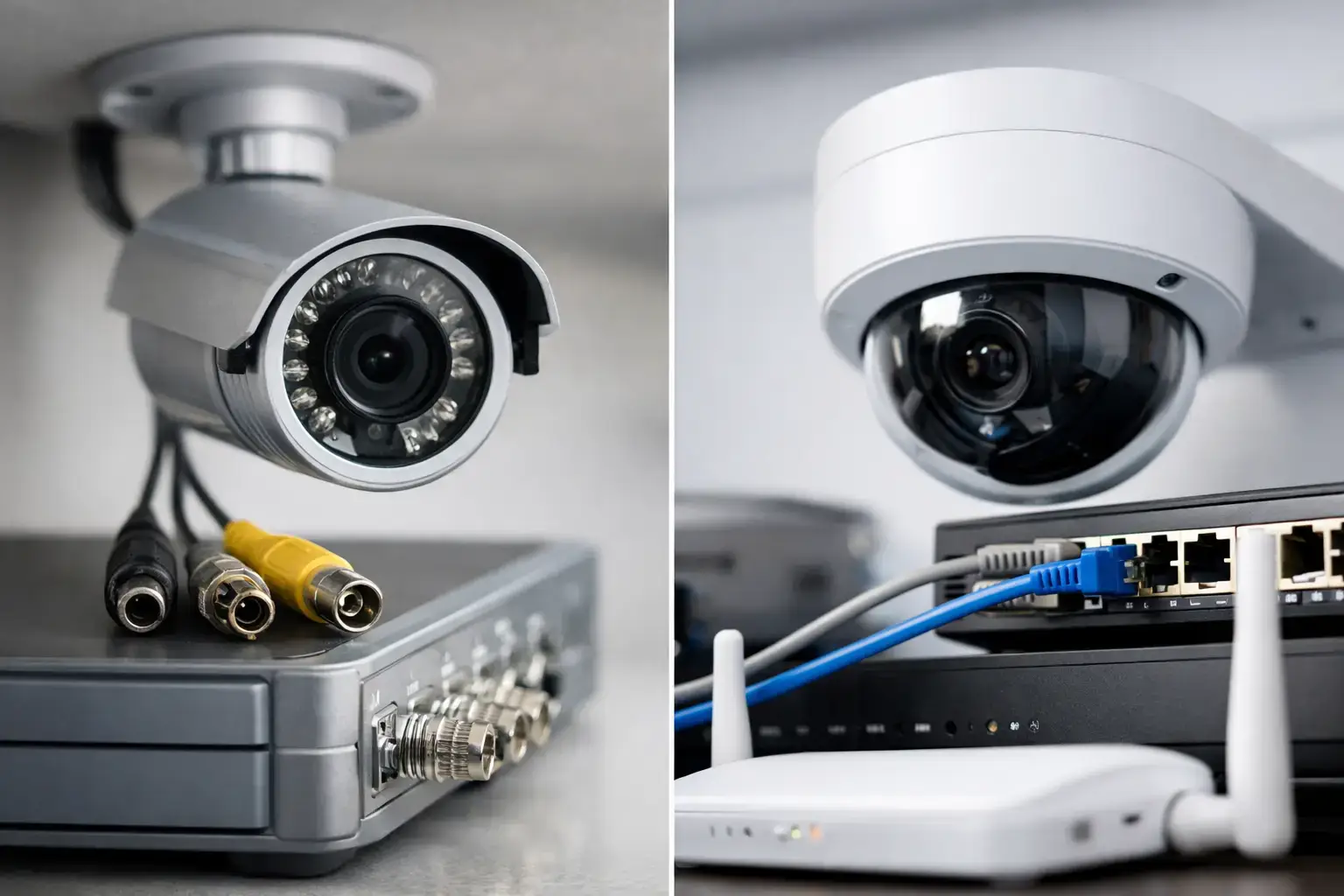
- Video Cameras: High-resolution devices capturing visual information
- Recording Equipment: Digital video recorders (DVRs) or network video recorders (NVRs)
- Transmission Infrastructure: Cabling or wireless networks connecting cameras to monitoring stations
- Display Monitors: Screens allowing real-time and recorded footage review
For businesses seeking comprehensive security insights, our guide to the role of CCTV in security provides an in-depth exploration of how these systems can transform organisational safety strategies. Modern CCTV technologies have evolved from simple recording devices to intelligent systems capable of advanced analytics, motion detection, and integrated alarm responses – making them indispensable tools for contemporary business protection.
Types of CCTV Systems for UK Businesses
Businesses in the United Kingdom have access to diverse CCTV surveillance solutions designed to address specific security requirements. The landscape of video monitoring technologies has dramatically evolved, offering organisations tailored systems that go beyond traditional recording capabilities. By exploring commercial CCTV systems, businesses can select the most appropriate security infrastructure for their unique operational needs.
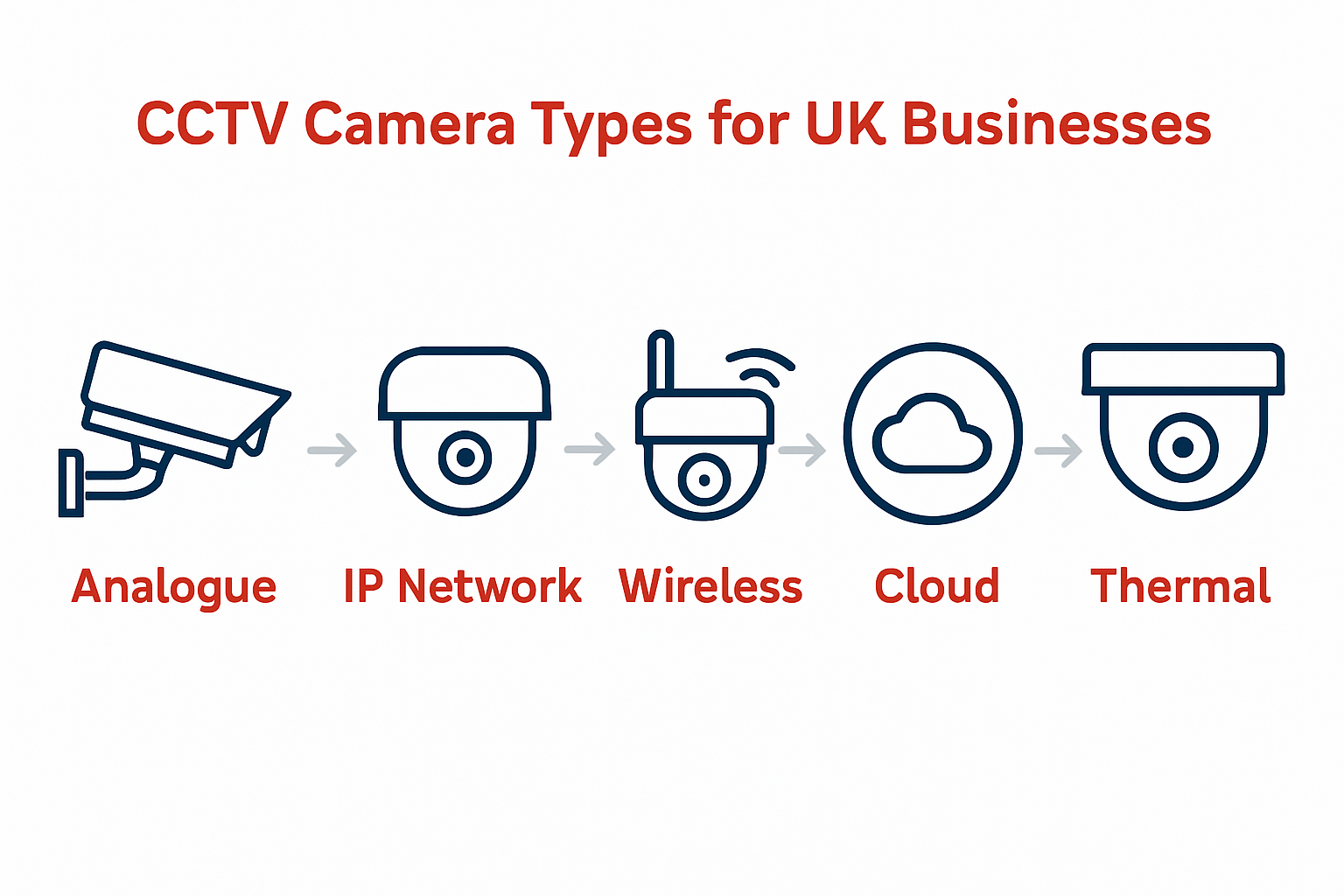
The primary categories of CCTV systems for commercial environments include:
- Analogue Systems: Traditional cameras with direct wired connections to recording equipment
- IP Network Cameras: Digital cameras transmitting data over computer networks
- Wireless CCTV: Flexible systems using radio frequencies for signal transmission
- Cloud-Based Systems: Remote monitoring with digital storage and advanced analytics
- Thermal Imaging Cameras: Specialised equipment detecting heat signatures
Each system offers distinct advantages depending on the specific security challenges faced by different business sectors.
Retail environments might prioritise high-resolution cameras with wide-angle coverage, while industrial warehouses could require robust cameras capable of functioning in challenging environmental conditions. The complexity of modern security demands nuanced approaches that consider factors such as lighting conditions, potential blind spots, and integration with other security technologies.
For businesses seeking comprehensive security strategies, understanding the intricate landscape of surveillance technologies is crucial. Our guide to UK business security systems provides an in-depth exploration of how different CCTV configurations can be strategically deployed to enhance organisational protection, deter potential threats, and provide actionable insights through advanced monitoring capabilities.
Legal Requirements for CCTV in the UK
Navigating the legal landscape of video surveillance is crucial for businesses implementing security systems. According to Wikipedia, the UK’s Surveillance Camera Code of Practice, introduced under the Protection of Freedoms Act 2012, provides comprehensive guidelines for responsible CCTV usage, emphasising accountability and individual privacy protection. This legislative framework sets critical standards for organisations deploying surveillance technologies.
Key legal considerations for businesses installing CCTV systems include:
- Data Protection Compliance: Adhering to UK General Data Protection Regulation (GDPR) principles
- Consent and Notification: Clearly displaying warning signs about camera surveillance
- Purpose Limitation: Using cameras only for specified legitimate security purposes
- Data Minimisation: Capturing only necessary visual information
- Storage Restrictions: Implementing secure data retention and deletion protocols
Business owners must also be mindful of specific regulatory requirements. This involves ensuring camera placement respects individual privacy, avoiding unnecessary intrusion into personal spaces, and maintaining strict protocols for data handling. Professional CCTV installation guides can help organisations navigate these complex legal considerations effectively.
Understanding and implementing these legal requirements is not merely a bureaucratic exercise but a fundamental aspect of responsible security management. By proactively addressing privacy concerns and maintaining transparent surveillance practices, businesses can create secure environments that respect both organisational safety needs and individual rights.
Key Benefits for Different Business Sectors
Business security requirements vary significantly across different industries, necessitating tailored CCTV surveillance strategies. According to Bytes Digital, CCTV systems offer comprehensive monitoring capabilities that provide 24/7 protection, motion detection, and remote viewing across diverse business environments. These sophisticated technologies deliver sector-specific advantages that extend far beyond basic security monitoring.
Industry-specific CCTV benefits include:
- Retail Sector: Preventing shoplifting, monitoring customer flow, and protecting high-value merchandise
- Warehousing: Tracking inventory movements, ensuring worker safety, and preventing internal theft
- Manufacturing: Monitoring production lines, identifying potential safety hazards, and ensuring quality control
- Hospitality: Managing guest safety, preventing unauthorized access, and monitoring staff performance
- Healthcare: Protecting patient privacy, monitoring restricted areas, and ensuring staff and patient security
Each business sector experiences unique security challenges that require nuanced surveillance approaches. For instance, a retail environment might prioritise cameras that capture customer interactions and potential theft scenarios, while a manufacturing facility would focus on equipment monitoring and worker safety protocols. The versatility of modern CCTV systems allows businesses to create bespoke security solutions that address their specific operational requirements.
By exploring commercial CCTV systems, organisations can develop comprehensive security strategies that not only protect physical assets but also provide valuable insights into operational efficiency, staff behaviour, and potential improvement areas. The investment in sophisticated CCTV technology represents a proactive approach to risk management that can ultimately save businesses significant financial and reputational resources.
Risks, Costs and Common Mistakes to Avoid
CCTV implementation requires strategic planning and comprehensive understanding of potential challenges. According to YO Telecom, businesses must carefully consider privacy concerns, legal compliance, and associated costs related to equipment, installation, and ongoing maintenance. Navigating these complex considerations is crucial for developing an effective security strategy.
Common risks and mistakes businesses frequently encounter include:
- Inadequate Coverage: Failing to strategically place cameras to eliminate surveillance blind spots
- Poor Image Quality: Selecting low-resolution cameras that compromise visual evidence
- Neglecting Regular Maintenance: Ignoring system updates and performance checks
- Insufficient Data Protection: Improper storage and handling of recorded footage
- Non-Compliance with Legal Requirements: Overlooking data protection and privacy regulations
The financial investment in CCTV systems extends beyond initial equipment costs. Business owners must budget for professional installation, ongoing technical support, potential system upgrades, and necessary infrastructure modifications. Professional CCTV installation guides can help organisations understand these complex financial considerations and develop comprehensive budgeting strategies.
Ultimately, successful CCTV implementation requires a holistic approach that balances technological capabilities, legal compliance, financial constraints, and organisational security objectives. By proactively addressing potential risks and avoiding common pitfalls, businesses can develop robust surveillance systems that provide genuine protection and operational insights.
Secure Your Business with Expert CCTV Solutions Today
Businesses face growing challenges in protecting their premises, employees and valuable assets. This comprehensive guide highlights critical pain points such as legal compliance, avoiding surveillance blind spots and ensuring high quality footage for effective monitoring. Implementing the right CCTV system can be the difference between peace of mind and costly security breaches. By choosing advanced technology tailored to your operational needs you gain not only protection but also powerful operational insights.

Take control of your business security now with professional installation from us at 247 CCTV. Our expert team ensures your system meets all legal requirements while providing crystal clear images and full coverage that eliminates blind spots. Discover how we can help you understand the role of CCTV in security and design a customised surveillance solution by visiting https://247cctv.co.uk/. Don’t leave your safety to chance start safeguarding your assets with trusted CCTV technology today.
Frequently Asked Questions
What are the core functions of CCTV for businesses?
CCTV serves as a security mechanism that provides continuous monitoring, deterrence against criminal activities, and a system for collecting evidence. It helps businesses monitor critical areas and ensure safety within their premises.
What types of CCTV systems are available for businesses?
There are several types of CCTV systems including analogue systems, IP network cameras, wireless CCTV, cloud-based systems, and thermal imaging cameras. Each type addresses different security needs based on the specific environment and operational requirements.
What legal requirements should businesses consider when installing CCTV?
Businesses must comply with data protection regulations, ensure that cameras are positioned to respect privacy, and display clear notifications about surveillance. They should also adhere to guidelines on data minimisation and storage protocols to avoid legal issues.
What common mistakes should businesses avoid when implementing CCTV?
Common mistakes include inadequate camera coverage, choosing low-resolution cameras, neglecting regular maintenance, improper data protection, and failing to comply with legal requirements. Addressing these areas is crucial for effective CCTV system performance.
Recommended
- Commercial CCTV Systems Explained: Complete Guide UK – 247 CCTV Security Ltd
- Business CCTV Installation Guide: Secure Your Premises Fast – 247 CCTV Security Ltd
- 7 Top CCTV Benefits for Businesses in Essex and London – 247 CCTV Security Ltd
- 7 Top CCTV Benefits for Businesses in Essex and London – 247 CCTV Security Ltd
- Tech for Small Businesses: Complete Guide for 2025 – Projector Display
- Comprendre les tendances vidéo en entreprise 2025